Choose the Right Dental 3D Printer Resin for Your Workflow
FiroozDental offers dental 3D printer resins in Canada for professional clinic and laboratory workflows including models, surgical guides, splints, temporary restorations, denture try-ins, custom trays, gingiva masks and castable patterns.
The correct material should be selected around the intended application, printer compatibility and validated processing workflow rather than price or resin type alone. Materials that appear similar may have different indications, print profiles and post-processing requirements.
Use this category to narrow the available resin options, compare the main purchasing criteria and move to the relevant product, printer, brand or support page when you need exact specifications, current price or compatibility confirmation.
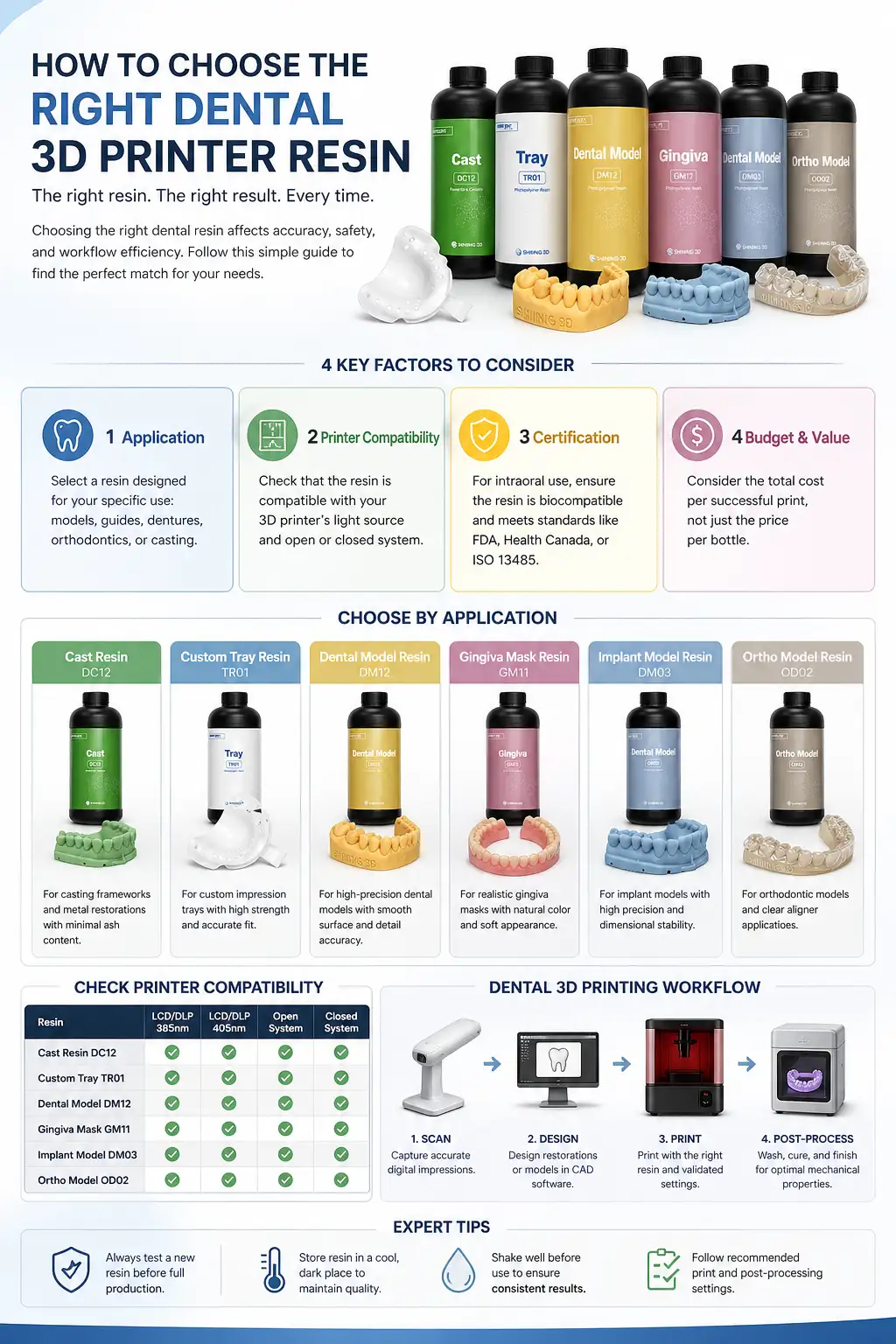
Start With What You Need to Print
The application is the first useful way to narrow dental resin options. Exact indications remain product-specific and should be confirmed before use.
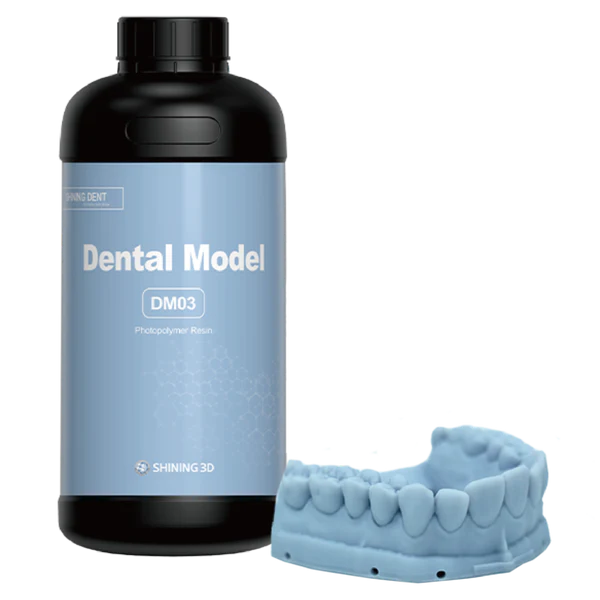
Dental Model Resins
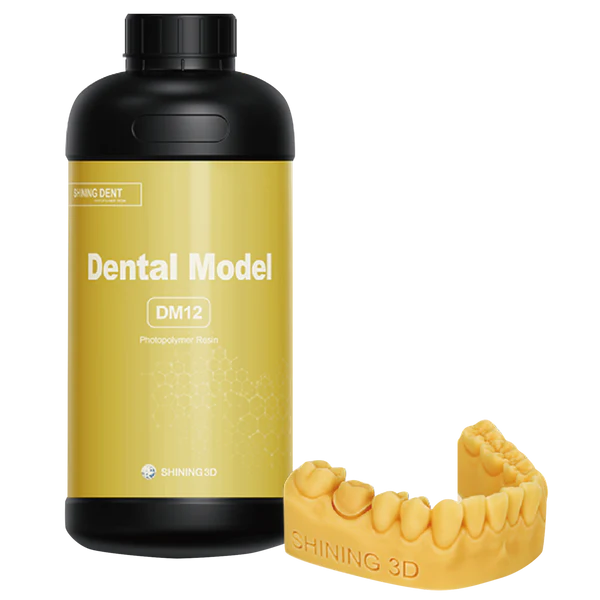
Model materials are used for digital dental models such as working models, implant-related models and other laboratory model workflows. Choose according to the type of model, detail requirements and the printer profile available for the material.
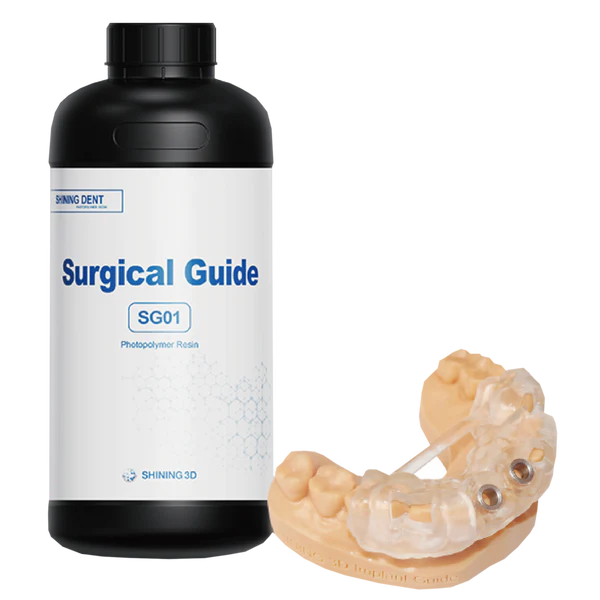
Surgical Guide Resins
For surgical-guide production, use only a material whose stated intended use and processing workflow match that application. Printer settings, cleaning and curing requirements should be confirmed for the exact resin.
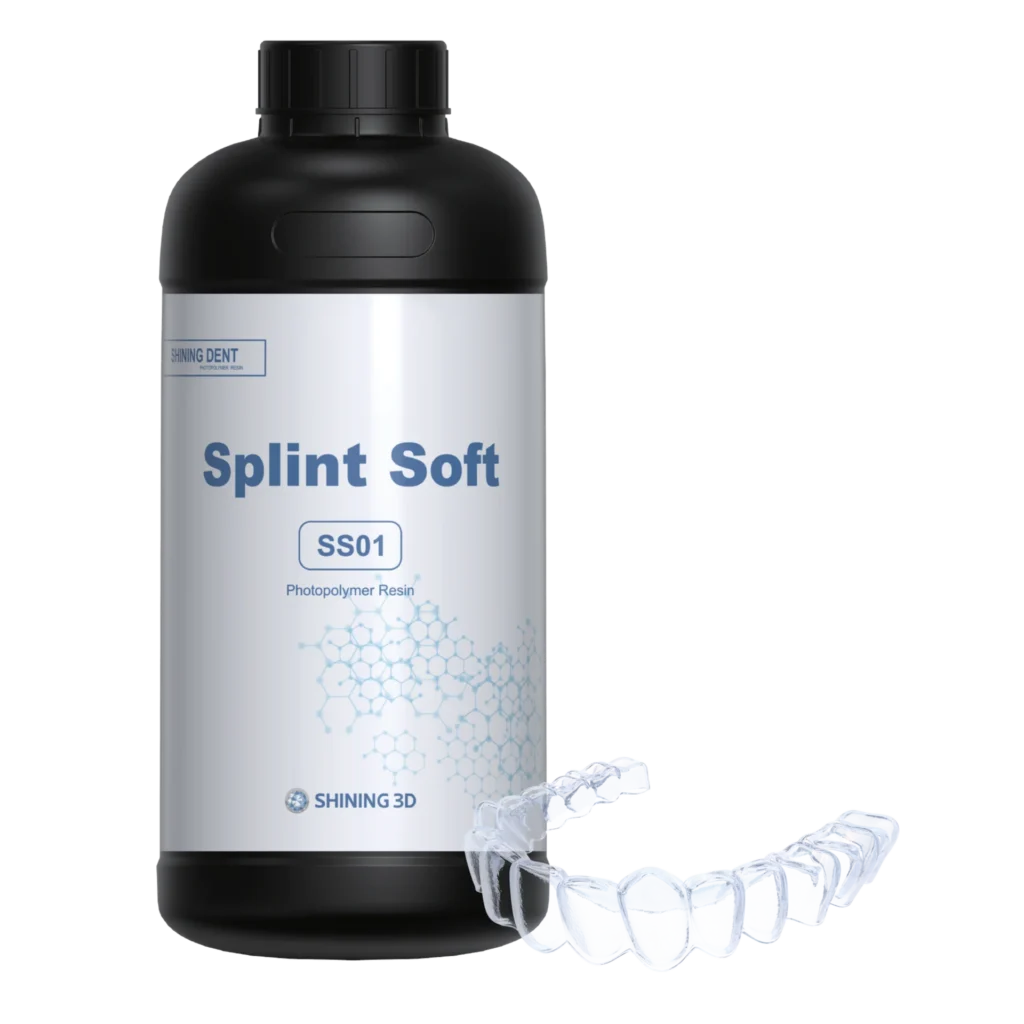
Splint & Night Guard Resins
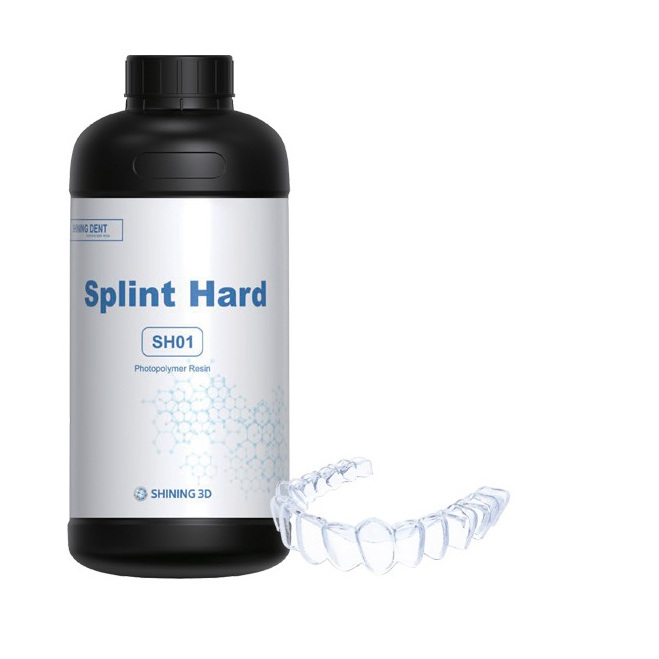
Hard and soft splint workflows require product-specific material characteristics and processing. Choose the appropriate resin family for the appliance and confirm the supported printer and curing process.
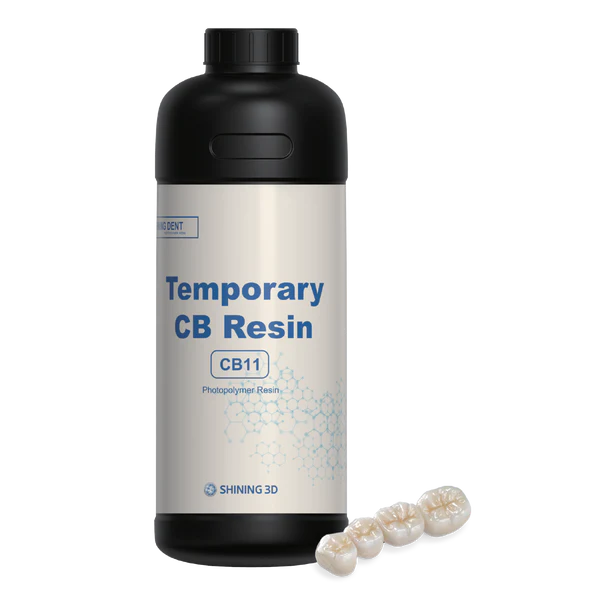
Crown & Bridge Resins
Temporary restorative resin should be selected according to its stated indication, available shades, printer workflow and required finishing process rather than from a generic restorative-resin label.
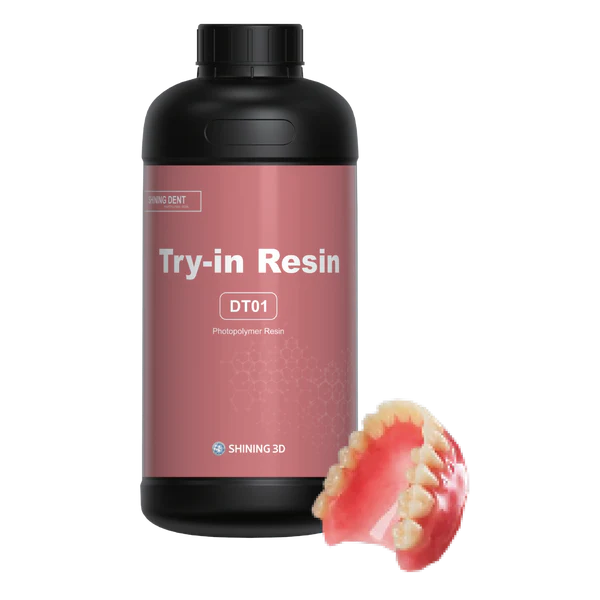
Denture Try-In Resins
Trial denture workflows have different requirements from model or temporary crown production. Review the exact product's intended use, shade options and validated processing instructions before selecting it.
Castable Resins
Castable materials are used as patterns in laboratory casting workflows. They should be evaluated for the intended casting process and printer workflow rather than treated as final restorative materials.
How to Choose Dental 3D Printer Resin
These category-level criteria help narrow the available products without replacing the exact instructions and specifications on the product page.
Define the Application
Start with the exact output: model, guide, splint, temporary restoration, denture try-in, castable pattern or another stated dental application.
Confirm Printer Compatibility
Check that the exact resin is supported by the printer and that an appropriate print profile or manufacturer-supported workflow is available.
Review Processing Requirements
Cleaning, curing and finishing can differ between materials. Review the current instructions for the exact resin rather than using one generic post-processing routine.
Check Intended Use & Documentation
For any patient-contact application, confirm the manufacturer's stated indication, documentation and current regulatory status applicable to the intended use before clinical production.
Compare Pack Size & Workflow Cost
Compare product size, expected consumption and the complete workflow cost rather than evaluating material only by bottle price.
Confirm Price & Availability
Review the current product listing or request confirmation for the exact resin and quantity required before planning production.
Dental Resin Selection Checklist
Use this checklist before moving from the category page to an individual material.
| Selection Factor | What to Check | Where to Confirm It |
|---|---|---|
| Application | Exact dental or laboratory use | Product intended use |
| Printer Compatibility | Exact printer and supported material workflow | Product / printer documentation |
| Print Profile | Supported material settings for the printer | Manufacturer workflow |
| Post-Processing | Cleaning, curing and finishing requirements | Current material instructions |
| Patient Contact | Intended use, documentation and applicable status | Manufacturer / official documentation |
| Package & Quantity | Bottle size and quantity required | Product page |
| Price / Stock | Current price, promotion or availability | Live product data / FiroozDental |
Explore Dental Resin Options by Use Case
These products illustrate several different resin applications currently represented in the FiroozDental catalogue. Use the product page for exact specifications, processing information, price and availability.
SHINING DENT DM12
Dental model resin intended for detailed working and separated model workflows, including crown-and-bridge and implant-related models.
View DM12 Dental Model Resin →SHINING DENT SH01
A hard occlusal splint resin for rigid splints and night-guard workflows, with product-specific printing and post-processing requirements.
View SH01 Hard Splint Resin →SHINING DENT CB11
Temporary crown-and-bridge material for restorative workflows where the exact shade, printer profile and processing procedure should be confirmed.
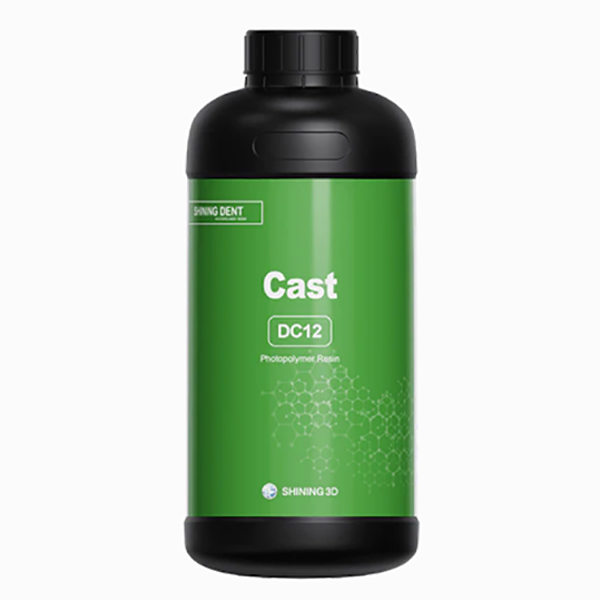
View CB11 Crown & Bridge Resin →SHINING DENT DC12
Castable wax resin for dental laboratory casting-pattern workflows rather than final intraoral restoration use.
View DC12 Castable Resin →SHINING DENT DT01
Resin designed for digital denture try-in workflows. Review the product documentation for the exact indication, shade and processing sequence.
View DT01 Try-In Resin →Do Not Assume Every Dental Resin Works With Every Printer
Resin compatibility is specific to the material, printer and production workflow. Before ordering, confirm that the exact resin is supported by your printer and that the required print and post-processing information is available.
Wavelength alone is not enough to establish a validated workflow. Printer profile, exposure strategy, material handling, washing and curing requirements can all affect whether the final part is produced according to the material instructions.
Explore Dental 3D PrintersDental 3D Printer Resin Price in Canada
Pricing and stock can differ by resin type, package size and current product availability. Use live product information instead of relying on a static category-wide price range.
Some resins display a current price directly while others may require a current quotation.
Stock can vary between resin families and individual material codes. Confirm the exact product and quantity before ordering.
For larger laboratory requirements, confirm current quantity availability and commercial terms for the specific resin.
Where Dental Resin Fits in the Digital Workflow
Resin selection should be connected to the rest of the production process, without turning this category page into a complete printing tutorial.
Explore the SHINING DENT Resin Portfolio
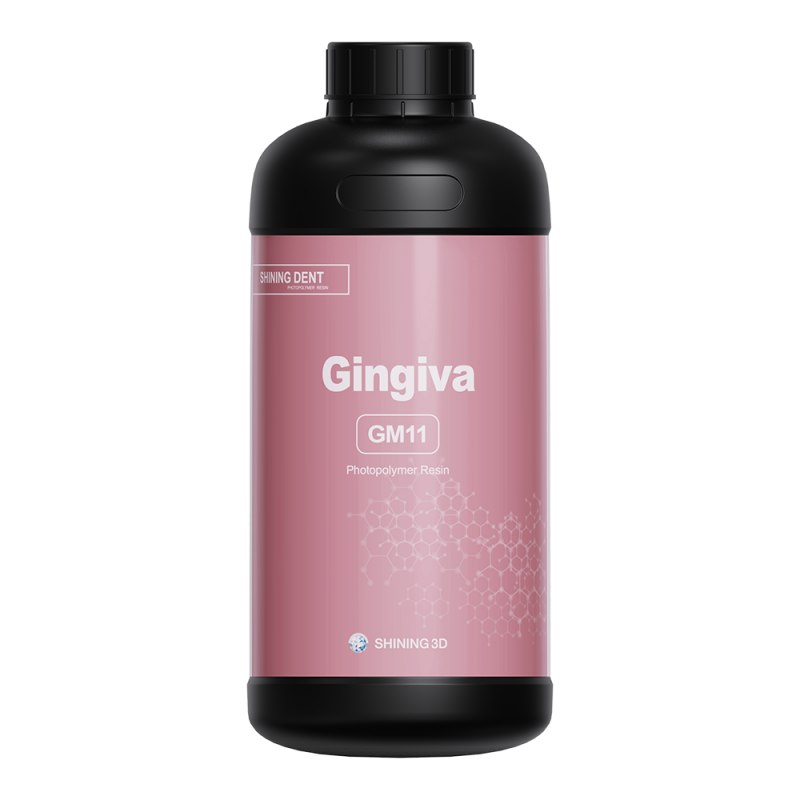
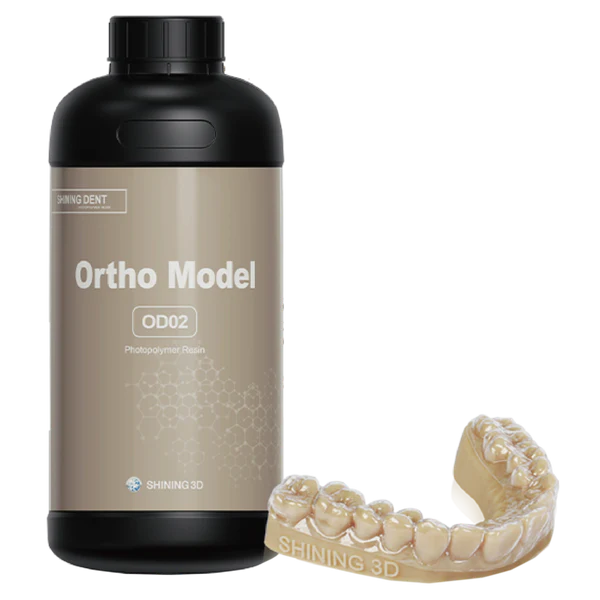
The current resin category includes SHINING DENT materials across several dental applications, including model, splint, surgical-guide, temporary-restoration, denture, tray, gingiva-mask and castable workflows.
Use the brand page when you want broader context about the SHINING 3D digital dentistry ecosystem, then return to the individual resin product for exact material-level information.
Explore SHINING 3D DentalGet Help Before Choosing a Dental Resin
When the correct material is unclear, provide enough workflow information to confirm the right product path before ordering.
Application Selection
Start with what you need to produce so the available resin options can be narrowed to the relevant material family.
Printer Compatibility
Include the exact printer model and resin you are considering when you need help checking the appropriate material workflow.
Price & Stock
Provide the product name or link and required quantity when requesting current pricing or availability confirmation.
Continue to the Next Relevant Decision
Detailed education belongs in dedicated guides. Until those guide URLs are published, use the existing commercial and support destinations below.
FAQs
What type of dental 3D printer resin should I choose?
Start with the exact application you need to produce. Model, splint, surgical-guide, temporary-restoration, denture and castable workflows use different material families. After identifying the application, confirm the exact resin against your printer and required post-processing workflow.
Can I use any dental resin with my 3D printer?
No. Compatibility should be checked for the exact resin and printer. A similar wavelength or printing technology does not by itself confirm that a material has the appropriate print profile or processing workflow for that machine.
How do I check resin and printer compatibility?
Identify the exact printer model and resin product, then confirm the supported material profile and current manufacturer instructions. If the combination is unclear, contact FiroozDental before ordering.
Which dental resins are intended for patient-contact applications?
Patient-contact suitability is product-specific. Use only a resin whose stated intended use matches the application, and confirm the current manufacturer documentation, processing requirements and applicable regulatory status before clinical use.
What factors affect dental resin price in Canada?
Pricing can vary by resin type, product formulation, package size, application and current commercial conditions. Use the live product page or request current pricing for the exact material you need.
How do I know whether a dental resin is currently in stock?
Check the individual product listing or contact FiroozDental with the exact resin name, product code and quantity required. Availability may differ between materials in the same category.
Do dental resins require different washing and curing procedures?
Yes, processing requirements can differ by material. Follow the current instructions for the exact resin and application rather than using one universal cleaning or curing procedure for every dental material.
Can FiroozDental help me choose a compatible resin?
For a useful compatibility request, provide the printer model, the dental application and the resin or material family you are considering. This makes it easier to identify the correct product and support route.
Choose the Resin That Matches the Application and Printer
Narrow the material by use case, confirm printer and processing compatibility, and check the current price and availability before ordering.